




EtO, E-Beam, Gamma sterilization for your medical device

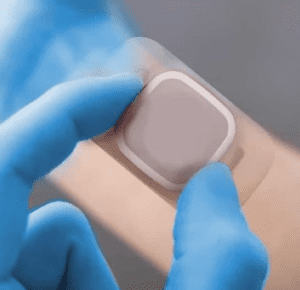
Sterilization of flexible medical devices such as wound dressings is a crucial step in the contract manufacturing process to ensure patient safety and prevent the transmission of infections. Ethylene Oxide (EtO), Gamma irradiation, and Electron Beam irradiation (E-Beam) sterilization are commonly used methods in the medical sector to eliminate harmful micro-organisms from skin contact devices.

PolarSeal understand the importance of fully validated sterile products along with the positive impacts it can have on end-user health and recovery. PolarSeal offers sterilization as part of our end-to-end service solution for our customers, handling the entire process with experienced and passionate in-house teams.

What is Ethylene Oxide (EtO) Sterilization?

Ethylene Oxide (EtO) sterilization is a low-temperature method for medical devices and materials sensitive to high temperatures, humidity, or radiation. This process involves exposing the devices to a mixture of EtO gas and other substances to facilitate the sterilization process.

Advantages
Possible disadvantages
EtO sterilization is effective for various medical devices, including plastic, rubber, and electronic components.
EtO gas can leave behind trace amounts of toxic residues on the sterilized devices, requiring adequate aeration to ensure patient safety.
The gas can permeate porous materials, ensuring sterilization even in complex and hard-to-reach areas.
The sterilization process may take several hours to complete, affecting production timelines.
EtO sterilization is suitable for items with a broad range of materials, including those sensitive to heat and moisture.
EtO is considered hazardous to the environment and must be handled carefully to prevent emissions.
The process can be conducted at relatively low temperatures, preventing damage to delicate medical devices.

What is Gamma Sterilization?

Gamma sterilization involves exposing medical devices to high-energy gamma rays from a Cobalt-60 radiation source. The rays effectively penetrate and disrupt the DNA of microorganisms, rendering them incapable of reproduction.

Advantages
Possible disadvantages
Gamma sterilization offers excellent uniformity of dosage throughout the medical device, ensuring consistent and reliable results.
Gamma sterilization may cause changes in certain materials, such as plastics and rubber, which can affect the mechanical properties of the device.
Unlike EtO sterilization, gamma sterilization leaves no toxic residues, eliminating the need for aeration.
Dedicated gamma irradiation facilities are required for this process, and transportation of medical devices to these facilities can be challenging.
The process is relatively quick, making it ideal for large-scale sterilization operations.
Strict adherence to safety protocols and regulatory guidelines is essential due to the potential hazards of gamma radiation.
Advanced wound care

What is Electron Beam (E-Beam) Sterilization?

Electron Beam (E-Beam) sterilization employs accelerated electrons to penetrate and disrupt microbial DNA, achieving effective sterilization.

Advantages
Possible disadvantages
E-Beam sterilization is a rapid process, making it suitable for high-throughput operations.
Some materials may not withstand E-Beam sterilization due to their sensitivity to high-energy electrons.
Unlike gamma sterilization, E-Beam does not require radioactive materials, simplifying logistics and regulatory considerations.
Setting up an E-Beam sterilization facility requires substantial capital investment and specialized equipment.
Similar to gamma sterilization, E-Beam offers consistent dosage throughout the device.
E-Beam may have limited penetration depth, requiring specific considerations for bulky or complex devices.

EtO, Gamma, and E-Beam sterilization are essential in the medical device industry, each with its own advantages and limitations. Manufacturers must carefully select the most appropriate sterilization method based on the device’s materials, design, and intended use, while adhering to regulatory guidelines for patient safety.

PolarSeal provides sterilization for medical devices companies, helping you focus on patient care and infection prevention. From material conversion to sterilization, PolarSeal offers a first class service for your medical device.

Read More from PolarSeal